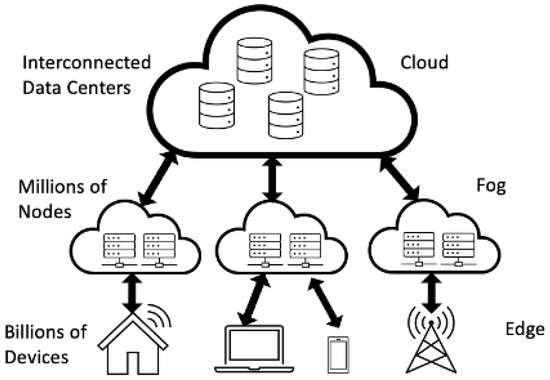
The Future of Cloud Computing with Edge Integration
Cloud computing has revolutionized how businesses store, process, and access data. However, as applications demand faster response times and lower latency, a new paradigm is emerging — edge computing. By processing data closer to the source, edge computing reduces dependency on distant data centers, improving both performance and efficiency.
The integration of cloud and edge technologies offers the best of both worlds: the scalability of the cloud and the real-time capabilities of the edge. For example, in IoT ecosystems, sensors generate massive data streams that cannot be sent entirely to the cloud due to bandwidth limits. Edge nodes perform initial processing, filtering, and analytics locally, while the cloud handles long-term storage and deeper analysis.
This hybrid model benefits industries such as autonomous vehicles, smart cities, and telemedicine, where milliseconds matter. It enhances reliability by minimizing downtime — even if cloud connectivity fails, local edge devices continue operating.
Security also evolves in this model. Instead of centralizing all data, sensitive information can remain at the edge, reducing exposure to cyber threats.